
Increased Bleeding RiskAlcohol interferes with the body’s ability to clot, and when combined with Eliquis, this effect is heroin addiction amplified. This can lead to an elevated risk of internal bleeding, including serious conditions such as brain hemorrhages or gastrointestinal bleeding. Even small cuts or bruises may take longer to heal when alcohol and Eliquis are combined. Are you wondering if it’s safe to enjoy a drink while taking Eliquis? It’s important to know that mixing alcohol with certain medications, like Eliquis, could potentially lead to serious complications. Eliquis (apixaban) belongs to a group of medications referred to as anticoagulants.
What are the potential side effects of combining Eliquis and alcohol?
- Studies show that shortly after drinking, platelets become less likely to “aggregate” or clump together.
- If you suspect alcohol misuse while on blood thinners, seek help immediately.
- Combining alcohol and Eliquis may increase the risk of bleeding, especially in the gastrointestinal tract, stomach, intestines, or brain.
- This clotting process is beneficial when you are injured as it stops bleeding.
- This goes for all of the drugs in the class of Factor Xa inhibitors (Eliquis, Xarelto, Savaysa, Arixtra).
The reversal agents for Eliquis (apixaban) are Andexxa (andexanet alfa) and KCentra (prothrombin complex concentrate). They are given intravenously in a hospital and are used only when Eliquis causes life-threatening or uncontrolled bleeding. At Virtue Recovery Center, we’re here to help you every step of the way. Our dedicated team of professionals is committed to providing the compassionate care and expert guidance you need to start your journey to recovery.
What Are Blood Thinners?
- Mixing alcohol and eliquis may increase the risk of bleeding, particularly in the gastrointestinal tract.
- Drinking alcohol while taking Eliquis can increase the risk of bleeding and is generally advised against.
- For some people, though, drinking alcohol in any amount is an unhealthy decision.
- Interestingly, if you drink more than two alcoholic drinks a day, you might raise your chances of getting blood clots.
- If you drink alcohol, talk with your doctor about how much, if any, is safe to consume during Eliquis treatment.
Lastly, he obtained graduate education in public health and business administration to contribute to national healthcare reform research and implementation. If you know you’re vulnerable to alcohol misuse, try not to put yourself in an environment that will encourage excessive intake. According to research, moderate consumption of alcohol has been found to cause a small increase in your HDL (good) cholesterol. A 2011 literature review that included 84 prior research studies found that people who drank alcohol had a reduced number of cardiovascular and stroke deaths.
Health Conditions
Eliquis works by eliminating blood clots and interfering with the blood clotting process in certain types of patients. It contains the active ingredient apixaban, an anticoagulant medicine that prevents blood clots from forming. Apixaban blocks the clotting factor called factor Xa, which is responsible for the production of blood clots.
Grapefruit Juice: A Potential Interaction
Soft drinks and soda do not have a direct interaction with Eliquis. However, some carbonated beverages may contain caffeine or have high sugar content, which can pose separate health concerns. Of course, healthcare professionals are here to assist and support you along the way. There’s more than one kind of blood thinner, and they work in different pathways within the body. The lowest risk of CAD deaths was found in can you drink beer while taking eliquis people consuming approximately one to two alcoholic equivalents.
It is recommended that you consult your healthcare provider for personalised advice. As a blood thinner, Eliquis slows down the blood clotting process and increases the time it takes for bleeding to stop. This can be dangerous if bleeding occurs, as it may be difficult to stop the blood flow. Combining Eliquis with other substances that affect blood clotting, such as alcohol, can further increase the risk of bleeding. Combining prescription medications with alcohol can lead to unexpected and sometimes dangerous interactions, particularly with blood thinners like Eliquis (apixaban).
Alcohol impairs coordination, balance, and judgment, making falls and accidents more likely. A meta-analysis showed that each 10-gram increase in alcohol intake raises the risk of a fall-related injury by 1.3 times. Another study found that two drinks increase this risk by 3.7 times, while three or more drinks raise it by 12.9 times. Heavy drinking, which includes binge drinking, is defined as 4 or more drinks on any day or 8 or more per week for women, and 5 or more drinks on any day or 15 or more per week for men. Studies show that shortly after drinking, platelets become less likely to “aggregate” or clump together.
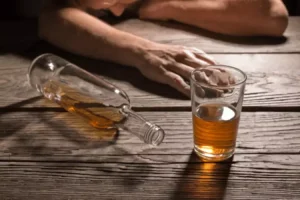
Recognizing and addressing alcohol misuse is a crucial step for anyone, especially for those taking blood thinners like Eliquis. Alcohol misuse spans a spectrum from mild to severe and encompasses conditions like alcoholism and binge drinking, which may jeopardize health and safety. Interestingly, heavy alcohol consumption tells a different story. It can raise your risk of blood clots by increasing your platelet count and activating blood platelets, making them more prone to spontaneous clotting.