Alcoholic Nose: Can Alcohol Cause Rhinophyma? Signs & Treatment

why do alcoholics get big noses

Alcohol abuse causes the body to be unable to metabolize certain substances such as bile salts, corticosteroids, and histamine. The build-up of these substances causes generalized skin itching, which can lead to irritation, inflammation, and rashes. Brittany has 15 years of experience in the Mental Health and Substance Abuse field.
why do alcoholics get big noses

Finding Treatment and Healing From Alcoholism

  • While the underlying frameworks are usually unaffected, patients often suffer from secondary nasal airway obstruction at the external nasal valves.
  • Alcohol is a vasodilator, which means it increases blood flow to the skin’s surface, causing redness and inflammation.
  • The term “alcoholic nose” refers to a condition called rhinophyma, a severe form of rosacea.
  • That’s why an Alcoholic nose can indicate long-term alcohol dependence.
  • Fortunately, it’s a disease that responds well to the right treatment.
  • This can be enduring unless the pompous area is surgically exercised.

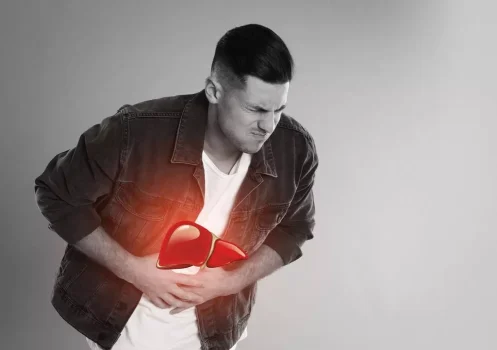
Alcohol abuse reduces vascular control in the brain which can lead to blood vessels in the face becoming enlarged. Rhinophyma is a skin disorder that causes the nose to become enlarged. Some other symptoms include lumpy, thickened skin and broken blood vessels. Though rhinophyma is not caused by alcohol misuse, if you or a loved one are concerned about your drinking and other potential health effects, help is available. Take our alcohol assessment to assess your drinking habits or contact a treatment provider to explore your treatment options.

Alcoholic Nose

Our hospital offers a variety of programs that can be tailored to patient needs, including an older adult program, dual diagnosis treatment and general psychiatric care. If you think your drinking habits are causing your alcoholic nose flare-ups, know that the best way to stop them is to quit drinking. Because alcohol dilates blood vessels and damages the vascular system, it can aggravate rhinophyma and other types of rosacea. If you develop rhinophyma, your nose may appear red, large, and even bumpy or bulbous. The visual side effects are most obvious on the tip and lower part of the nose, since the actual bone structure is not affected by the condition. Not everyone with rosacea who develops thickened skin will go on to develop rhinophyma.

What Drinks Cause Alcoholic Nose?

Again, your exact treatment plan will depend on your specific situation and the severity of your rhinophyma. In some cases, infections arise due to the entrapment of bacteria in the inflamed skin. If this happens, oral antibiotics—like tetracycline—may be necessary to help manage and eliminate infection. With antibiotics, make sure you take the full course you’ve been prescribed. Even though symptoms may improve, a full course of antibiotics ensures it doesn’t return.

Get Help for Alcohol Addiction Today
why do alcoholics get big noses

It is the end-stage presentation of phymatous rosacea, and may occur in patients with few or no other features of rosacea. Rhinophyma is commonly linked to chronic alcohol use, colloquially being misnamed ‘whisky nose’ or ‘rum blossom’. However, the true reason for this disfiguring condition has no clear causative trigger. If your skin reddening is slight or temporary, you might consider white wine or spirits in moderation to reduce the impact. More severe rhinophyma may get worse from drinking any kind of alcohol, and symptoms might get progressively worse. Any alcoholic drink can make red nose worse, but red wine and port are two of the most problematic.
why do alcoholics get big noses

Signs of Rhinophyma

For heavy drinkers and those with an alcohol use disorder, the remaining alcohol leaves the body via breath, sweat, and urine. This often causes an unpleasant smell that resembles rancid alcohol. Alcohol dilates blood vessels, leading to enlarged visible capillaries known as spider veins. Studies report a high prevalence of spider veins in alcoholics, reaching 46.7% in one study. Excessive alcohol use significantly impacts skin health, often leading to visible dryness, redness, and inflammation.

  • The condition is much more common in males than females and usually develops between the ages of 50–70.
  • While Rhinophyma is not directly caused by alcohol consumption, alcohol can trigger or worsen the symptoms of rosacea like redness on the skin.
  • Other medications may be used include metronidazole, ivermectin, oral isotretinoin, and brimonidine.
  • Doctors will sometimes prescribe medication to alleviate symptoms and discomfort and prevent further problems.

To avoid or cure ulcers caused by excessive drinking, it is essential to control your alcohol intake and adopt a lifestyle that is kind to the stomach. However, rosacea and rhinophyma can affect more of an individual’s skin. The long-term skin condition can change an individual’s physical appearance and increase the person’s risk of developing depression and anxiety as a result. According to a survey of patients suffering from this skin condition, red wine is more likely to trigger flare-ups or worsen rosacea than other drinks. Doctors theorize it’s because of an additional chemical in red wine that also works to enlarge blood vessels, letting far more blood than usual flow to the skin’s surface. If alcoholism symptoms you have concerns about the appearance or health of your nose, it is critical to speak with a dermatologist for an accurate diagnosis and appropriate treatment plan.

General Health

These triggers vary from person to person, why do alcoholics get big noses so you should track your symptoms to identify your triggers. The sebaceous glands (which produce oil in the skin) dilate greatly, which is why the pores on the nose appear so large. While there are no treatments that can completely reverse rhinophyma, medications and surgery can lessen the condition if caught in time. The longer rhinophyma goes without treatment, the more likely the condition will become permanent. The longer tissue overgrowth remains on the skin, the more likely it is to become permanent.
why do alcoholics get big noses

However, a skin biopsy may sometimes be necessary to rule out other conditions. Fields, an early 20th-century American actor known for his heavy drinking, who called the bumps on his enlarged nose “gin blossoms”. Drinking can increase the effects of existing rosacea and may increase the risk of this condition developing. However, many people who use alcohol heavily do not develop rosacea, and rosacea does often occur in people who do not drink alcohol or only use it in moderation.

Inpatient Drug And Alcohol Rehab: Find Treatment Near You

what is an addiction rehabilitation center

They will typically conduct a phone assessment to gather information about your substance use history, medical history, and insurance coverage. An in-person assessment may also be scheduled to determine the appropriate level https://ecosoberhouse.com/ of care and develop a personalized treatment plan. This is the most intense level of inpatient care, mostly reserved for individuals with severe withdrawal symptoms. It is most common with inpatient alcohol rehab, co-occurring medical conditions, or psychiatric needs that require 24/7 medical care. Inpatient hospitalization provides a medically stable environment for individuals who require detoxification under close medical supervision or who have complex medical or psychiatric needs. As you’ve already read, there’s no shortage of medications and therapies to help one through each stage of the recovery process.

Inpatient Treatment

what is an addiction rehabilitation center

Individuals with severe addictions, a history of relapse, or significant withdrawal symptoms may benefit more from the structured what is a rehab center environment and 24/7 support of inpatient rehab. Residential programs offer a living environment structured with varying levels of intensity and duration, depending on individual needs and treatment goals. These programs typically provide a combination of individual and group therapy, educational sessions, support groups, and complementary therapies.

  • Marta Nelson of The Recovery Village describes how rehab centers ensure compliance with health regulations and undergo evaluations by accreditation organizations.
  • It is important to remember that addiction is a complex disease and recovery is a lifelong journey.
  • Naltrexone differs from methadone and buprenorphine by working as an opioid blocker.
  • In an outpatient program, you’ll need to attend treatment for a set number of days and hours each week.
  • This includes treatment planning following an assessment of the individual’s readiness to change and engage in the treatment process.

Learn About Mental Health

  • Al-Anon and Nar-Anon are support groups for friends and family members of individuals with an addiction or substance use disorder.
  • At The Forge Recovery Center, we understand that meth addiction is not a matter of willpower—it’s a medical condition that demands professional, compassionate care.
  • Aftercare services offer individuals the opportunity to implement their recovery plans and address any issues or difficulties encountered during abstinence and recovery.
  • Residential or inpatient shopping addiction treatment centers exist with an eye toward physical isolation of the patient and an effort to monitor overall health during the initial stages of treatment.
  • Research shows that longer treatment durations—spanning 60 to 90 days—significantly improve recovery outcomes.
  • With repeated use, your brain becomes reliant on the drug to feel pleasure or motivation.

Physically, meth can damage your heart, liver, and skin, and cause rapid weight loss, dental decay (“meth mouth”), and increased risk of infectious diseases. “We are getting a lot of calls from individuals looking for treatment in the area,” said Degner. Gateway Foundation offers free, confidential assessments, no matter where you are on your journey. Whether you’re ready for treatment today, seeking care for a loved one, or just want to learn more, we’re here to help. To learn more specifically about opioid use disorder, visit Treatment for Opioid Addiction. Robert Fishman of The Recovery Village discusses common questions people ask during the rehab admissions process.

Culturally Competent and Inclusive Care

what is an addiction rehabilitation center

It helps you identify harmful thought patterns that lead to drug use—like “I can’t function without meth” or “I always relapse, so what’s the point? CBT also teaches practical coping strategies to handle stress, avoid triggers, and manage cravings. Learn how to overcome methamphetamine addiction with proven treatments, therapy options, and support for lasting recovery. We will walk you through the first steps of recovery which Alcoholics Anonymous will inspire the hope for the rest of your journey. These steps may include detox, a medical assessment, and an individualized treatment plan.

what is an addiction rehabilitation center

Featured Treatment Centers

  • We offer expert, professional addiction treatment for substance abuse and physical addictions to food, sex and gambling.
  • Rehabilitation centres provide a structured and supportive environment for individuals seeking to overcome addiction or mental health disorders.
  • From detox services to aftercare support, addiction treatment provides people with solutions for lasting sobriety.
  • MentalHealth.com is a health technology company guiding people towards self-understanding and connection.

Then, ask yourself what comforts are important to you, such as private rooms, a focus on better food, fitness centers, or outdoor spaces. Evidence-based guidelines can assist doctors with choosing the right treatment options. These guidelines help evaluate a patient’s clinical needs and situation to match them with the right level of care, in the most appropriate available setting. For more information on evidence-based guidelines visit Addiction Medicine Primer. Our holistic approach to addiction treatment and recovery has been emulated throughout the world, and we are seen as a standard-bearer of quality and integrity.

Private health insurance policies often cover the cost of rehabilitation programs, and some employers offer benefits that include rehab coverage. Medicaid and Medicare may also cover the cost of rehab for those who meet certain qualifications. The length of stay in a rehabilitation centre can vary depending on the severity of the condition and the recommended treatment plan. Each type of rehabilitation centre offers unique benefits and approaches to treatment, allowing individuals to find the right fit for their individual needs and preferences. Detox centers also introduce clients to the next stages of treatment, such as inpatient drug rehab or outpatient programs.

what is an addiction rehabilitation center

Alcohol and Sleep: Tips For Better Sleep After Drinking

When alcohol functions like a sedative, making you feel sleepy, drowsy and getting you to fall asleep https://www.alltravelperu.com/drinking-and-driving-risks-duis-bac-levels-2/ faster – is it still considered bad for sleep? We will walk you through common questions and misconceptions about alcohol and sleep and break down what alcohol does to the sleeping body at each sleep stage. A hint –alcohol and sleep simply don’t mix well – read on to understand why. Melatonin, the “sleep hormone,” is crucial for regulating the sleep-wake cycle by signaling to your body that it’s time to sleep. Alcohol consumption can suppress melatonin production, disrupting regular sleep patterns. Adenosine, another important compound, accumulates in the brain throughout the day, promoting sleepiness as its levels rise.

does alcohol make you sleep longer

Microplastics in Alcohol: A Hidden Risk for ALDH2 Deficient Drinkers

Alcohol reduces the amount of REM sleep, which is crucial for cognitive functions and emotional regulation. Alcohol can cause middle-of-the-night wakefulness as its sedative effects wear off. Cutting back amphetamine addiction treatment on alcohol—especially in the evening—can significantly reduce snoring frequency and intensity for many people. It’s a simple lifestyle change that may improve your sleep and your partner’s.

Post-Acute Withdrawal Syndrome (PAWS): A Prolonged Battle

does alcohol make you sleep longer

Unbeknownst to many, it’s a common reaction that has a scientific explanation. We’ll illuminate why it happens and arm you with practical tips to navigate this often unnoticed phase in your dry journey. Alcohol is one possible culprit for heartburn because it may lead to increased production of stomach acid.

  • As alcohol continues to affect circadian rhythms, heavy drinkers may find that their long-term sleep quality suffers as well (Sleep Foundation).
  • Generally, you may only have one drink per hour, and it’s best to stop drinking four hours before bedtime.
  • People who wake up tired every morning may be more likely to lean back in to drinking to help them sleep better.

What Is Mental Illness?

  • In short, alcohol may increase your risk of experiencing gastritis and digestive symptoms.
  • Many people use alcohol as a sleep aid, unaware of its negative impacts on overall sleep quality.
  • Alcohol can make you feel sleepy because it’s a central nervous system depressant, meaning it slows down brain activity, which can lead to drowsiness.
  • We’ve also partnered with Moderation Management, a non-profit dedicated to reducing the harm caused by the misuse of alcohol.
  • Your eyelids grow heavy, focusing becomes more difficult, and all you want is to curl up in your bed.

This leads to diminished activity in REM-off systems and increased propensity for REM sleep. As a result, individuals may experience more vivid and often disturbing dreams, further disrupting their sleep. In the short does alcohol make you sleep longer term, it may induce sleepiness, making it seem like an effective sleep aid.

Can You Drink Alcohol While Taking Eliquis? Risks and Tips for Safety

can you drink beer while taking eliquis

Increased Bleeding RiskAlcohol interferes with the body’s ability to clot, and when combined with Eliquis, this effect is heroin addiction amplified. This can lead to an elevated risk of internal bleeding, including serious conditions such as brain hemorrhages or gastrointestinal bleeding. Even small cuts or bruises may take longer to heal when alcohol and Eliquis are combined. Are you wondering if it’s safe to enjoy a drink while taking Eliquis? It’s important to know that mixing alcohol with certain medications, like Eliquis, could potentially lead to serious complications. Eliquis (apixaban) belongs to a group of medications referred to as anticoagulants.

What are the potential side effects of combining Eliquis and alcohol?

  • Studies show that shortly after drinking, platelets become less likely to “aggregate” or clump together.
  • If you suspect alcohol misuse while on blood thinners, seek help immediately.
  • Combining alcohol and Eliquis may increase the risk of bleeding, especially in the gastrointestinal tract, stomach, intestines, or brain.
  • This clotting process is beneficial when you are injured as it stops bleeding.
  • This goes for all of the drugs in the class of Factor Xa inhibitors (Eliquis, Xarelto, Savaysa, Arixtra).

The reversal agents for Eliquis (apixaban) are Andexxa (andexanet alfa) and KCentra (prothrombin complex concentrate). They are given intravenously in a hospital and are used only when Eliquis causes life-threatening or uncontrolled bleeding. At Virtue Recovery Center, we’re here to help you every step of the way. Our dedicated team of professionals is committed to providing the compassionate care and expert guidance you need to start your journey to recovery.

can you drink beer while taking eliquis

What Are Blood Thinners?

  • Mixing alcohol and eliquis may increase the risk of bleeding, particularly in the gastrointestinal tract.
  • Drinking alcohol while taking Eliquis can increase the risk of bleeding and is generally advised against.
  • For some people, though, drinking alcohol in any amount is an unhealthy decision.
  • Interestingly, if you drink more than two alcoholic drinks a day, you might raise your chances of getting blood clots.
  • If you drink alcohol, talk with your doctor about how much, if any, is safe to consume during Eliquis treatment.

Lastly, he obtained graduate education in public health and business administration to contribute to national healthcare reform research and implementation. If you know you’re vulnerable to alcohol misuse, try not to put yourself in an environment that will encourage excessive intake. According to research, moderate consumption of alcohol has been found to cause a small increase in your HDL (good) cholesterol. A 2011 literature review that included 84 prior research studies found that people who drank alcohol had a reduced number of cardiovascular and stroke deaths.

Health Conditions

can you drink beer while taking eliquis

Eliquis works by eliminating blood clots and interfering with the blood clotting process in certain types of patients. It contains the active ingredient apixaban, an anticoagulant medicine that prevents blood clots from forming. Apixaban blocks the clotting factor called factor Xa, which is responsible for the production of blood clots.

Grapefruit Juice: A Potential Interaction

Soft drinks and soda do not have a direct interaction with Eliquis. However, some carbonated beverages may contain caffeine or have high sugar content, which can pose separate health concerns. Of course, healthcare professionals are here to assist and support you along the way. There’s more than one kind of blood thinner, and they work in different pathways within the body. The lowest risk of CAD deaths was found in can you drink beer while taking eliquis people consuming approximately one to two alcoholic equivalents.

It is recommended that you consult your healthcare provider for personalised advice. As a blood thinner, Eliquis slows down the blood clotting process and increases the time it takes for bleeding to stop. This can be dangerous if bleeding occurs, as it may be difficult to stop the blood flow. Combining Eliquis with other substances that affect blood clotting, such as alcohol, can further increase the risk of bleeding. Combining prescription medications with alcohol can lead to unexpected and sometimes dangerous interactions, particularly with blood thinners like Eliquis (apixaban).

can you drink beer while taking eliquis

Alcohol impairs coordination, balance, and judgment, making falls and accidents more likely. A meta-analysis showed that each 10-gram increase in alcohol intake raises the risk of a fall-related injury by 1.3 times. Another study found that two drinks increase this risk by 3.7 times, while three or more drinks raise it by 12.9 times. Heavy drinking, which includes binge drinking, is defined as 4 or more drinks on any day or 8 or more per week for women, and 5 or more drinks on any day or 15 or more per week for men. Studies show that shortly after drinking, platelets become less likely to “aggregate” or clump together.

can you drink beer while taking eliquis

Recognizing and addressing alcohol misuse is a crucial step for anyone, especially for those taking blood thinners like Eliquis. Alcohol misuse spans a spectrum from mild to severe and encompasses conditions like alcoholism and binge drinking, which may jeopardize health and safety. Interestingly, heavy alcohol consumption tells a different story. It can raise your risk of blood clots by increasing your platelet count and activating blood platelets, making them more prone to spontaneous clotting.