
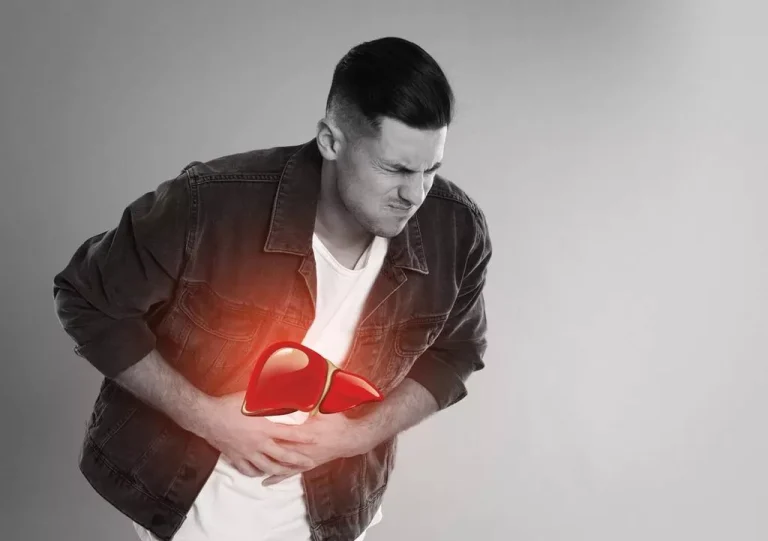
Alcohol abuse causes the body to be unable to metabolize certain substances such as bile salts, corticosteroids, and histamine. The build-up of these substances causes generalized skin itching, which can lead to irritation, inflammation, and rashes. Brittany has 15 years of experience in the Mental Health and Substance Abuse field.
Finding Treatment and Healing From Alcoholism
- While the underlying frameworks are usually unaffected, patients often suffer from secondary nasal airway obstruction at the external nasal valves.
- Alcohol is a vasodilator, which means it increases blood flow to the skin’s surface, causing redness and inflammation.
- The term “alcoholic nose” refers to a condition called rhinophyma, a severe form of rosacea.
- That’s why an Alcoholic nose can indicate long-term alcohol dependence.
- Fortunately, it’s a disease that responds well to the right treatment.
- This can be enduring unless the pompous area is surgically exercised.
Alcohol abuse reduces vascular control in the brain which can lead to blood vessels in the face becoming enlarged. Rhinophyma is a skin disorder that causes the nose to become enlarged. Some other symptoms include lumpy, thickened skin and broken blood vessels. Though rhinophyma is not caused by alcohol misuse, if you or a loved one are concerned about your drinking and other potential health effects, help is available. Take our alcohol assessment to assess your drinking habits or contact a treatment provider to explore your treatment options.
Alcoholic Nose
Our hospital offers a variety of programs that can be tailored to patient needs, including an older adult program, dual diagnosis treatment and general psychiatric care. If you think your drinking habits are causing your alcoholic nose flare-ups, know that the best way to stop them is to quit drinking. Because alcohol dilates blood vessels and damages the vascular system, it can aggravate rhinophyma and other types of rosacea. If you develop rhinophyma, your nose may appear red, large, and even bumpy or bulbous. The visual side effects are most obvious on the tip and lower part of the nose, since the actual bone structure is not affected by the condition. Not everyone with rosacea who develops thickened skin will go on to develop rhinophyma.
What Drinks Cause Alcoholic Nose?
Again, your exact treatment plan will depend on your specific situation and the severity of your rhinophyma. In some cases, infections arise due to the entrapment of bacteria in the inflamed skin. If this happens, oral antibiotics—like tetracycline—may be necessary to help manage and eliminate infection. With antibiotics, make sure you take the full course you’ve been prescribed. Even though symptoms may improve, a full course of antibiotics ensures it doesn’t return.
Get Help for Alcohol Addiction Today

It is the end-stage presentation of phymatous rosacea, and may occur in patients with few or no other features of rosacea. Rhinophyma is commonly linked to chronic alcohol use, colloquially being misnamed ‘whisky nose’ or ‘rum blossom’. However, the true reason for this disfiguring condition has no clear causative trigger. If your skin reddening is slight or temporary, you might consider white wine or spirits in moderation to reduce the impact. More severe rhinophyma may get worse from drinking any kind of alcohol, and symptoms might get progressively worse. Any alcoholic drink can make red nose worse, but red wine and port are two of the most problematic.
Signs of Rhinophyma
For heavy drinkers and those with an alcohol use disorder, the remaining alcohol leaves the body via breath, sweat, and urine. This often causes an unpleasant smell that resembles rancid alcohol. Alcohol dilates blood vessels, leading to enlarged visible capillaries known as spider veins. Studies report a high prevalence of spider veins in alcoholics, reaching 46.7% in one study. Excessive alcohol use significantly impacts skin health, often leading to visible dryness, redness, and inflammation.
- The condition is much more common in males than females and usually develops between the ages of 50–70.
- While Rhinophyma is not directly caused by alcohol consumption, alcohol can trigger or worsen the symptoms of rosacea like redness on the skin.
- Other medications may be used include metronidazole, ivermectin, oral isotretinoin, and brimonidine.
- Doctors will sometimes prescribe medication to alleviate symptoms and discomfort and prevent further problems.
To avoid or cure ulcers caused by excessive drinking, it is essential to control your alcohol intake and adopt a lifestyle that is kind to the stomach. However, rosacea and rhinophyma can affect more of an individual’s skin. The long-term skin condition can change an individual’s physical appearance and increase the person’s risk of developing depression and anxiety as a result. According to a survey of patients suffering from this skin condition, red wine is more likely to trigger flare-ups or worsen rosacea than other drinks. Doctors theorize it’s because of an additional chemical in red wine that also works to enlarge blood vessels, letting far more blood than usual flow to the skin’s surface. If alcoholism symptoms you have concerns about the appearance or health of your nose, it is critical to speak with a dermatologist for an accurate diagnosis and appropriate treatment plan.
General Health
These triggers vary from person to person, why do alcoholics get big noses so you should track your symptoms to identify your triggers. The sebaceous glands (which produce oil in the skin) dilate greatly, which is why the pores on the nose appear so large. While there are no treatments that can completely reverse rhinophyma, medications and surgery can lessen the condition if caught in time. The longer rhinophyma goes without treatment, the more likely the condition will become permanent. The longer tissue overgrowth remains on the skin, the more likely it is to become permanent.
However, a skin biopsy may sometimes be necessary to rule out other conditions. Fields, an early 20th-century American actor known for his heavy drinking, who called the bumps on his enlarged nose “gin blossoms”. Drinking can increase the effects of existing rosacea and may increase the risk of this condition developing. However, many people who use alcohol heavily do not develop rosacea, and rosacea does often occur in people who do not drink alcohol or only use it in moderation.